 Stuff these days just works. And that’s a good thing. Whatever it may be, you go to it, you turn it on and it does what it’s supposed to do. It’s wonderful and is testament to the engineering skills of mankind.
It hasn’t always been like this – growing up things were much less reliable and we all learnt the little foibles of various machines, cars and electronic devices and what we needed to wiggle to coax them into some sort of spluttering life. But not today, today we expect everything to work at the flick of a switch. One soon knows that the wi-fi has dropped out when the calamitous cries of “I’ve lost the internet” ring out from the four corners of the house. The modern day fix of “turn it off, and turn it back on again” typically does the trick and peace is restored across my little realm.
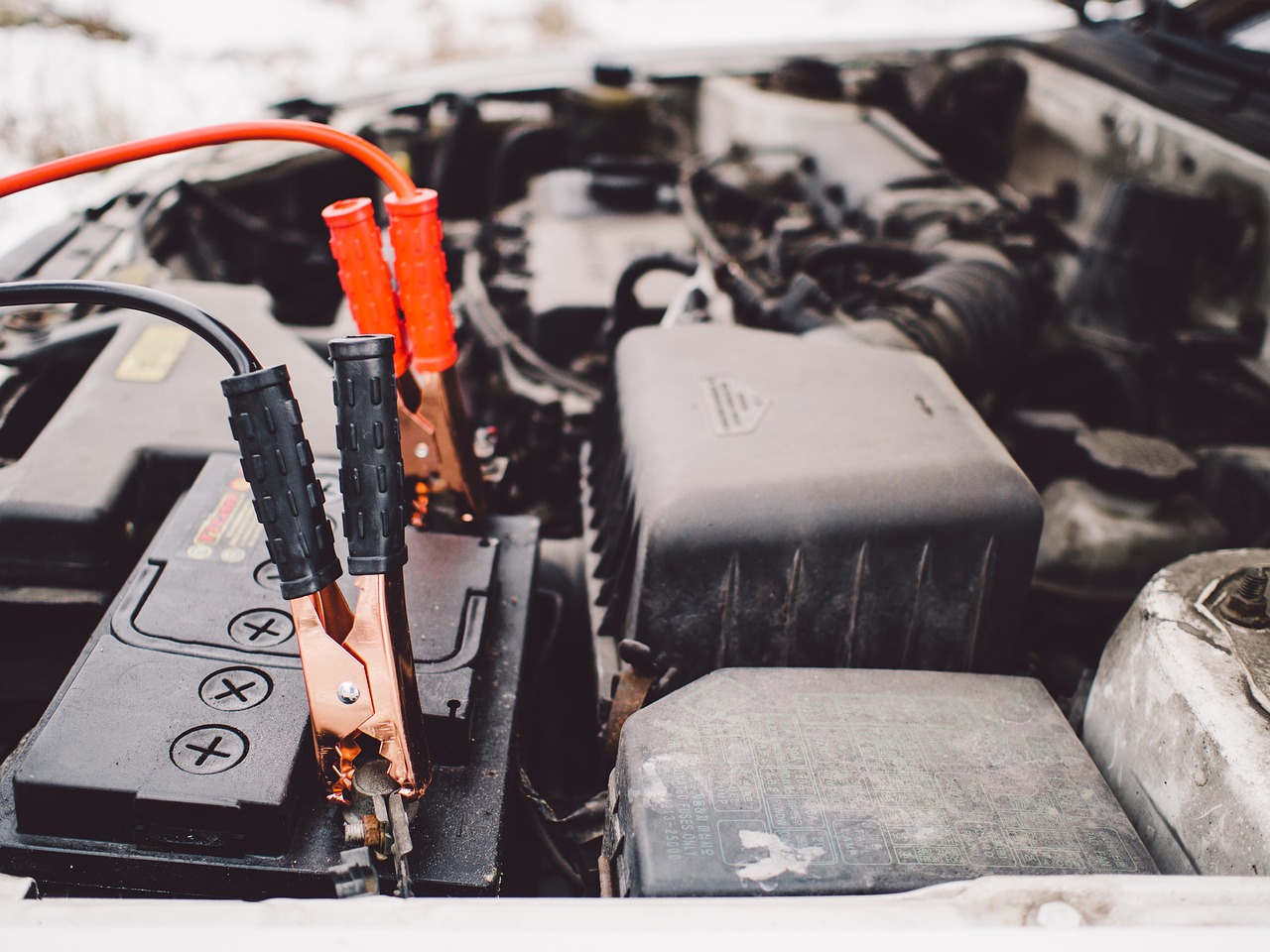
So when, on Tuesday (31 May), I hopped in the car (the Almera Tino) and it didn’t start it was somewhat discombobulating. Why? Things just work. At first, I thought it was the key fob as I couldn’t open the car with the electric bipper, but when I turned the ignition – nothing. A flat battery was my instant diagnosis, so pulled up the Micra, fished out the jump leads, connected them all up and … nothing. A few weeks earlier the car wouldn’t start, drained battery, and this did the trick so I was, now, a little concerned. But before, there was some electrical power – dashboard would light up etc. – now, nothing. I still suspected the battery, but a complete and total absence of electrickery did leave a nagging doubt that perhaps the fault was more serious – a bad earth, broken cable, blown fuse …
The next day, a quick trip to Halfords and £45 later I returned with a new battery, fitted it and fired her up. She purred into life at the first turn of the key. Not exactly rocket science – no electric power probably means dead battery – but I was still chuffed with my fault diagnosis and rectification. Took me right back to those early days in my engineering training at RAF Halton – I’ve been taught and forgotten many things in my time, but I still remember that lesson (from Sgt Starling? can picture him, think that was his name, but not 100% sure) on fault diagnosis and about which parts you try swapping first: most easily accessible or cheapest, and how, if you were paying (i.e. fixing your car) you’d go for the cheapest first. As I was fitting my new battery I remembered that I had a cheap multi-meter bought from eBay a couple of years ago so I used it to check the batteries. The old battery was kicking out about 3Volts, the new in excess of 12. I think I’ll check again in a few days (and continue to monitor) – hopefully the old battery died of that: old age, but by checking the new one periodically I will discover if there is a problem, (alternator not charging, or leak when ignition is off) and not get caught out again.
I don’t like it when things break, but I do get enormous satisfaction from diagnosing and rectifying a problem. There’s an engineer lurking in the old dog yet!

 Pick of the week 5/6/16
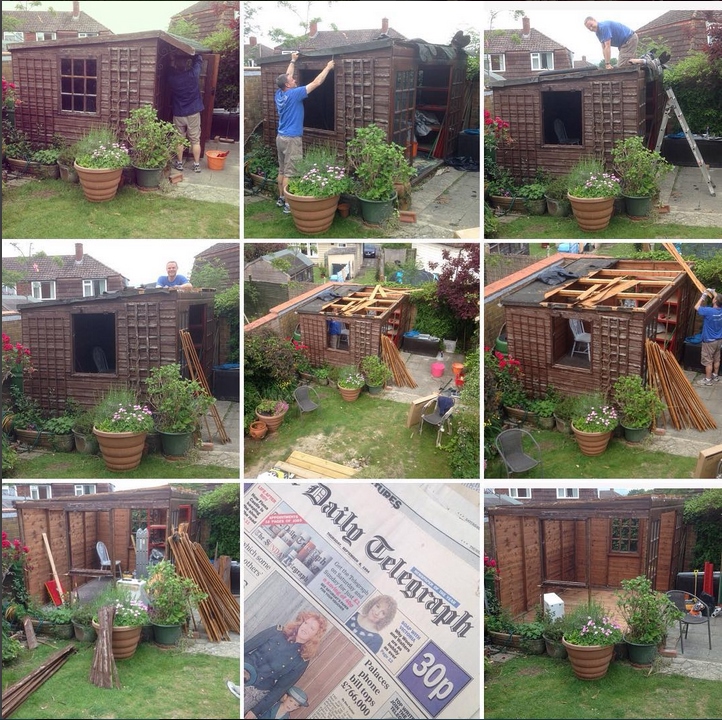
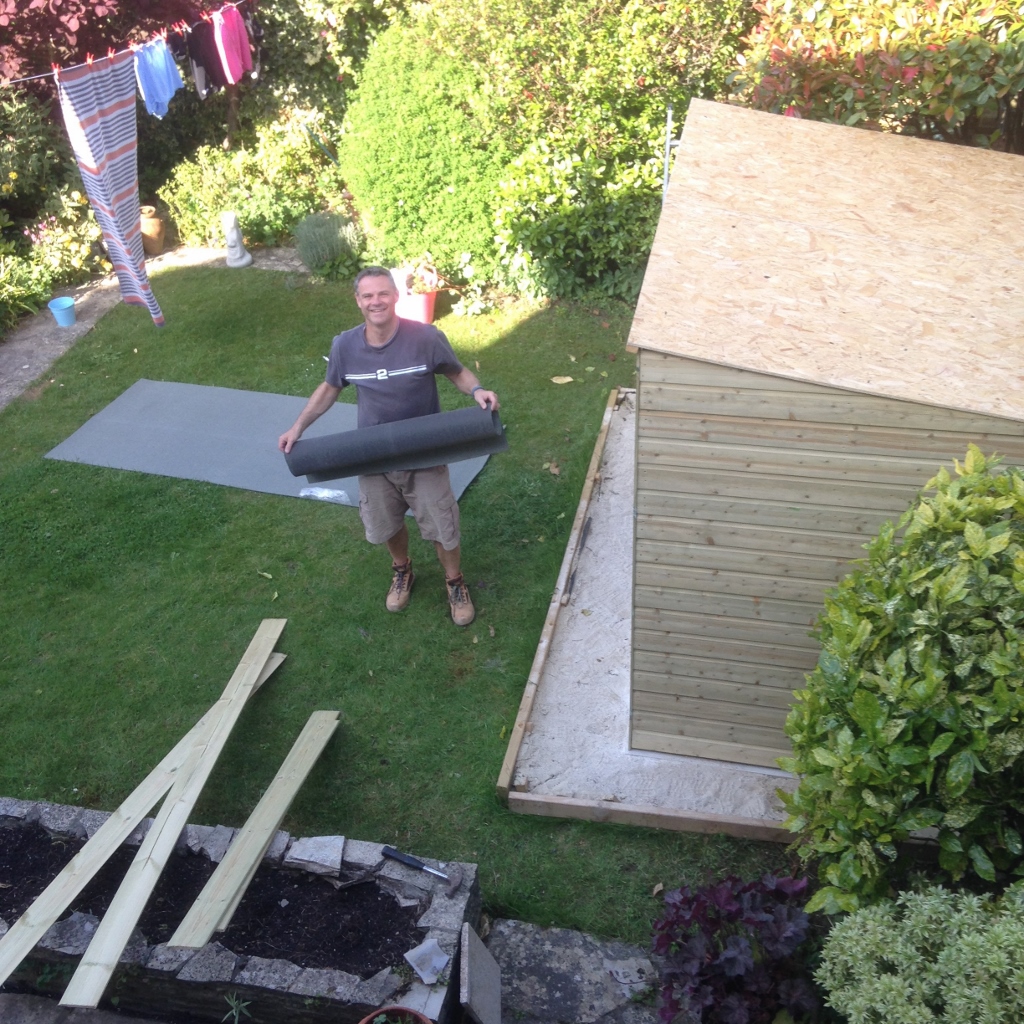 I knocked down the summerhouse, fixed the car when it wouldn’t start, ran 6k twice, swam 2K twice, a mile once and totaled 288 lengths of the pool, chopped down the tops of two hefty trees in the hedge … and all of this in one week.